
The Power of AI-Based Soil, Pest & Crop Intelligence in Large-Scale Farming
Summary
Large-scale farming is no longer limited by land, resources, or infrastructure; it is limited by how intelligently data is used. As farm sizes grow, so do the complexities of managing soil health, pest outbreaks, and crop performance across thousands of acres. Traditional monitoring methods often fall short because they rely on delayed observation and fragmented insights.
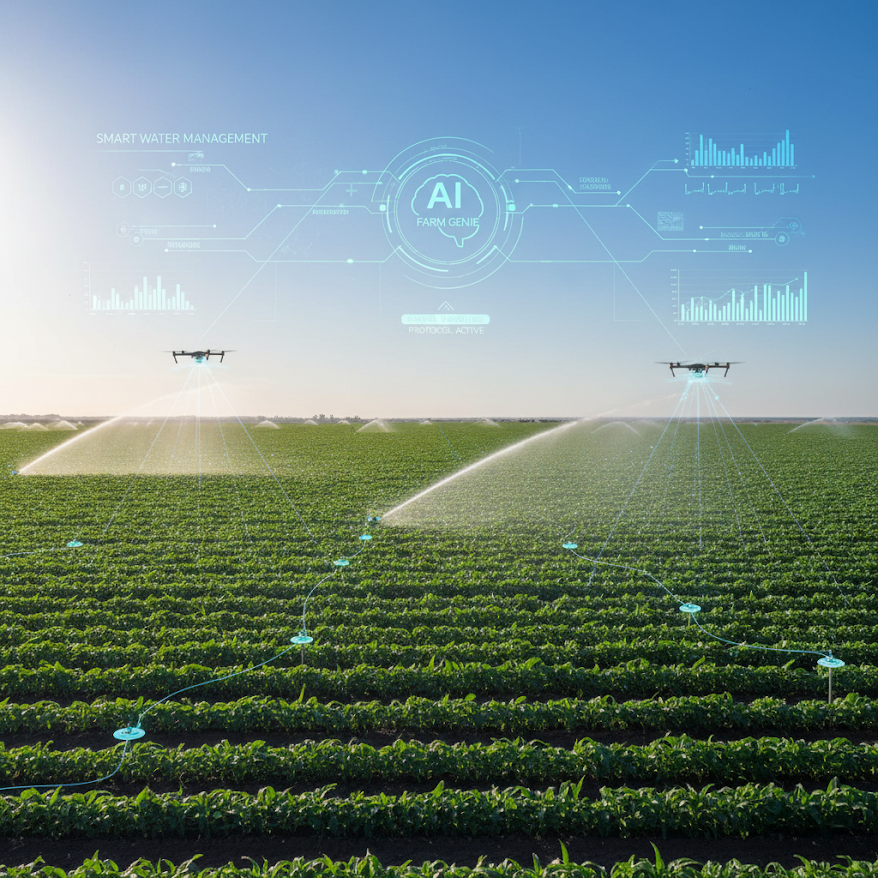
AI-based soil, pest, and crop intelligence is transforming this reality. By combining real-time data, predictive analytics, and machine learning, agribusinesses can move from reactive decision-making to proactive farm management. AgIntel10X’s capabilities bring intelligent insights directly into operations; helping large farms detect risks early, optimize inputs, and maintain consistent crop performance.
1. The Challenge of Managing Large-Scale Farming Operations
Managing large-scale farms introduces challenges that traditional methods cannot handle efficiently:
- Limited visibility across multiple plots and locations
- Delayed detection of pest or disease outbreaks
- Uneven soil conditions affecting crop performance
- Difficulty in tracking crop health consistently
These challenges often lead to reactive interventions instead of proactive planning, impacting yield and profitability.
2. What AI-Based Farm Intelligence Means
AI-based farm intelligence refers to the use of advanced analytics to convert raw farm data into actionable insights. It combines:
- Satellite imagery and remote sensing
- Field data captured through mobile devices
- Historical farm performance data
- Machine learning models for prediction
This creates a system where farms are continuously monitored and optimized through intelligent feedback loops.
3. Why Traditional Monitoring Methods Fall Short
Manual and traditional monitoring methods are limited because:
- Field scouting is time-consuming and inconsistent
- Observations depend on human expertise and availability
- Data is not captured in real time
- Problems are identified only after damage has occurred
As farm sizes increase, these limitations become more costly and difficult to manage.
4. How AI Intelligence Transforms Farm Decision-Making
A. Soil Intelligence for Precision Input Management
AI-driven soil analysis helps identify variations in nutrient levels, moisture, and soil conditions across different plots.
This allows farmers to apply fertilizers, water, and inputs precisely where needed, reducing waste and improving crop uniformity.
B. Early Pest & Disease Detection
AI models can analyze images and field data to detect early signs of pest attacks or disease conditions.
This enables timely intervention before the issue spreads, significantly reducing potential crop loss.
C. Real-Time Crop Health Monitoring
Through satellite data and on-ground inputs, AI systems provide continuous crop health updates.
Farm managers can identify stressed areas quickly and take corrective action, ensuring consistent growth across fields.
D. Predictive Advisory & Decision Support
AI systems go beyond monitoring; they provide recommendations.
By analyzing patterns and trends, they suggest optimal actions such as irrigation timing, nutrient application, and risk mitigation strategies.
E. Data-Driven Resource Optimization
AI helps optimize the use of labour, water, and inputs by aligning resources with real-time crop needs.
This ensures higher efficiency and reduces unnecessary operational costs.
5. How FarmERP Enables AI-Based Farm Intelligence
FarmERP integrates AI capabilities into everyday farm operations through:
AgIntel10X Platform
Provides plot-level insights into crop health, growth stages, and environmental conditions.
FarmGyan Advisory Engine
Delivers actionable recommendations based on real-time field data and analytics.
Satellite & Remote Monitoring
Offers continuous visibility into farm performance across large geographies.
Mobile Data Capture Integration
Combines field-level inputs with AI analysis for accurate insights.
Unified Intelligence Dashboard
All insights are accessible in one platform, enabling faster decision-making.
6. Business Impact for Large Agribusinesses
AI-based intelligence delivers measurable advantages:
- Early risk detection and reduced crop losses
- Improved yield consistency across large areas
- Optimized input usage and cost savings
- Faster decision-making based on real-time insights
- Greater scalability with controlled operations
Farms become intelligent systems rather than manually managed operations.
7. Conclusion
AI-based soil, pest, and crop intelligence is redefining large-scale farming. By enabling real-time monitoring, predictive insights, and data-driven decisions, it transforms uncertainty into control.
With FarmERP, agribusinesses gain the intelligence layer needed to operate at scale with precision; ensuring higher productivity, better resource utilization, and sustainable growth.
Ready to bring AI-driven intelligence to your farming operations? Explore FarmERP’s advanced analytics and advisory solutions at farmerp.com and transform the way your farms operate.